
Be it top-loading or front-loading, doing laundry in a washing machine has become a major part of regular household chores, saving precious time that would otherwise be spent on washing clothes by hand. So, how odd it is that we need to ‘wash’ the washing machine? It’s practically in soap and water most of the time, and even has a good rinse at the end of a cycle; yet, manually cleaning the washer is a necessity.
How often you should clean your washing machine, and why you should clean it?
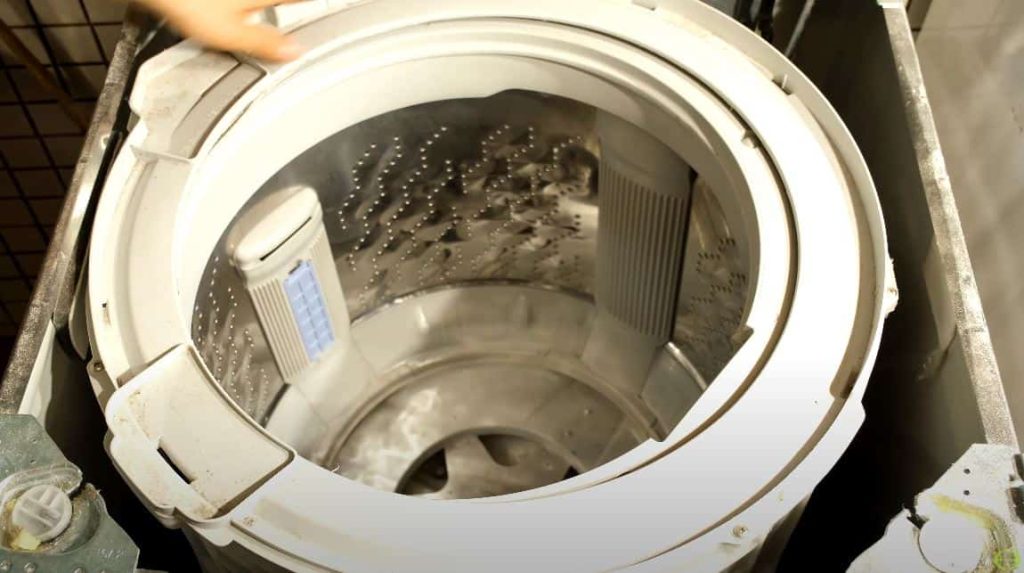
Over time, residual chemicals and laundry detergents create a film in which bacteria gets trapped; this nasty bacteria goes into the inner mechanisms of the machine and blocks it, thus preventing water from functioning properly. Another downside to this is that it renders your detergent ineffective which ultimately results in the barely clean and peculiar smelling laundry! Moreover, the bacteria that is present in the clothes can trigger allergies.
Cleaning experts advise manually deep cleaning your washing machine every other month, if not monthly. To do this, you can use cleaning products specific for washers, or make your own natural cleaning solutions that are safe for your children and pets, light on chemicals, and your wallet, too.
What to use to clean your washing machine

Look into more natural cleaning agents as harsh chemicals can have adverse effects on the mechanisms and basin of the machine. A great, natural ingredient is white vinegar since it also sanitises and rids the machine of bad odours. The acidity of vinegar cuts through residual build-up and while being drained cleans out your washing machine pipes too. When you add baking powder to the mix, you get twice the cleansing power with a burst of freshness to boot.
Whether you have a top-load or front load washing machine, the steps to clean the appliance is more or less the same. Below are two cleaning guides on how to clean both models.
Steps to Clean a Top Load Washing Machine

- Turn on your washing machine and set it to the hottest level. Remember, this is the cleaning process and no clothes or detergent should be put in.
- Press the start button and fill the basin with water, adding in three cups of white vinegar. Do this while the water is filling so that the ingredient mixes in properly.
- When the water reaches its ideal level, start the machine and allow the mixture to work its magic for approximately 5-7 minutes before bringing the cycle to a halt.
- Next, add a half cup of your white vinegar’s partner in crime, i.e. baking soda. Once again, let it swirl around for a couple of minutes then, press ‘Stop.’
- Allow the white vinegar and baking soda water to sit in the machine for about two hours while the machine is off.
- Turn the machine on again and, as you would with a regular cycle of laundry, allow it to continue until drained.
- Now that the basin of the washer is cleaned, turn your attention to the scum ring around the rim. With a slightly abrasive sponge dipped in the same cleaning solution, wipe around under the rim until all the grime is removed.
- Once completed, rinse away any remaining cleaner residue with plain hot water. Bear in mind that when the temperature of the water is high enough, it will annihilate and rinse away any bacteria that was loosened during the wash cycles.
- To conclude your cleaning process, give the basin a good wipe down with a clean, dry cloth. Allow the interior to air out for some time before you close the door.
Steps to Clean a Front Load Washing Machine

- Unlike top loaders, front load washing machines have a gasket, i.e. the rubber ring around the door which tends to collect a lot of dirt and soap residue. Tackle this grimy bit first by mixing together equal parts of water and white vinegar in a spray bottle, and douse the ring with it.
- After a minute, take a clean cloth and wipe away the dirt.
- Since this is a front-loading machine, you will first need to scatter a half cup of baking soda inside the washer drum, followed with three cups of white vinegar.
- The ensuing method is the same as for top loaders — turn the machine settings to the hottest level which is reserved for large laundry loads.
- Fill the drum with water, and allow the machine to run its cycle. Once done, run the machine with hot water to rinse out all residue and kill bacteria.
- Lastly, wipe the interior with a clean cloth and leave the door open to air out the inside for half hour, or so.
How to Deep Clean a Washing Machine
Deep cleaning your washing machine entails cleaning all those components of the washer that are skipped during a routine cleaning method like those explained above. While the interior is cleaned in a similar manner, it is important to learn how to clean things like the filter and soap dispenser tray to complete a thorough deep clean of your washing machine. Before you begin, however, remember that every model is different and therefore, you will need to refer to your washer’s instruction guide to locate certain components.
With that, here are the steps to deep clean a washing machine:
- Start with the tray/drain pan underneath the washer. You will need a narrow brush or crevice cleaning tool to get into the space. If you are able to pull debris towards the front of the tray, you can then vacuum it up and proceed to wipe down the area with a paper towel dipped in soap and water.
- Next, open the filter door where you may also find the emergency drainpipe. Use a basin or container to drain the water left in the pipe before closing it back up.
- Only after the water from the emergency drainpipe is emptied out should you remove the filter and wash it under running water. Use a brush and dish soap to clean it thoroughly before leaving it to air dry. Hot water is advised when cleaning a washing machine filter as it does a better job as eliminating bacteria and stubborn gunk.
- Now, turn your attention to the soap dispenser tray. If it can be removed, take it out and wash it the same way you cleaned the filter. For a non-removable tray, wipe it down to remove all the nasty dirt and grime using paper towels and a solution of equal parts of water and white vinegar. To add a little abrasion for stubborn gunk, sprinkle some baking soda over the area and use a damp sponge to scrub away the dirt.
- Take a clean, microfibre cloth, spray it with a water-vinegar solution or all-purpose cleaner and wipe down the inside space where the dispenser tray sits (for a removable dispenser).
- To deep clean the gasket of a front loader, use a suitable all-purpose cleaner and a small, handheld scrub brush to really get into the nooks and crannies. Follow this up with a wipe down using a damp cloth.
- For the drum, add in 2 cups of baking soda, and 1 ½ cups of white vinegar; then shut the door. Add another ½ cup of vinegar to the detergent dispenser, and run a regular cycle to deep clean inside your washer.
- Once done, clean the inside part of the door with an all-purpose cleaner and paper towels.
Cleaning the Outside of a Washing Machine

While the main focus is cleaning the interiors of the machine for hygienic purposes, we should not neglect the exterior. Failure to clean results in rusting or corrosion of the body if detergent, chemicals, or water remain on the surface long enough. A largely overlooked part is the detergent dispenser that accumulates hardened detergent leftover if not cleaned regularly. All it really needs is a scrub down with a clean toothbrush before rinsing off with plain water.
Some of us throw our dirty laundry on the machine top so, it’s important to sanitise this surface as well. Do this by wiping the exterior with a cloth dampened in a mixture of white vinegar, baking soda and water. This will also take care of stains and dirt buildup. Models that have knobs can be cleaned with a toothbrush to get into those hard to reach crevices.
How to Keep Your Washing Machine Clean

While the steps above are necessary for deep cleaning your washing machine as and when needed, you can maintain cleanliness and hygiene for longer periods using these simple tips:
- Once your laundry is done, empty the washer out immediately. If left in this humid environment for hours or days, you’ll be faced with a build-up of bacteria, mould, and a foul odour as well.
- After emptying the machine, leave the doors of the washer and dryer open to allow the insides to dry completely. You won’t have to worry about bacteria and other growing hazardous elements.
- Never load the washer above its maximum capacity as this will cause the machine to overwork, and also lead to dirt clogging the insides of the basin, pipes and drainage system.
- Clean up immediately detergent spills on the exterior, and wipe away dust on a daily basis.
Frequently Asked Questions
Can Vinegar Damage Your Washing Machine?
As long as you are not using large amounts of vinegar or raw vinegar to clean your washing machine, it will not cause any damage to the appliance. With that said, cleaning the seals of the machine with undiluted vinegar on a regular basis may cause the rubber to crack overtime due to the acidic nature of the ingredient.
Is Bleach Or Vinegar Better To Clean A Washing Machine?
While vinegar and bleach are both effective cleaning agents, they serve different purposes when it comes to cleaning a washing machine. To kill mould spores, mildew, and bacteria, bleach is highly recommended. If you are performing a routine clean to remove soap scum, detergent residue, and hard water deposits, vinegar is better-suited for the job.
Can I Put Lemon Juice In My Washing Washing?
For interior cleaning purposes, lemon juice is rarely recommended due to the sheer amount required which does not prove to be a feasible option when compared to the likes of vinegar and bleach. With regards to washing laundry, adding 1 cup of lemon juice is an effective way to tackle stains, and naturally brighten both white and coloured fabrics.
How Often Should I Clean My Washing Machine?
To get rid of buildup and keep your washing machine sanitary, a deep clean once in two months is necessary (unless there is visible evidence that it needs to be cleaned sooner). If the machine is used to wash gym clothes, muddy clothes, and other heavily soiled items on a regular basis, a monthly deep clean is advised.
Why Is There Gunk In My Washing Machine?
Gunk found in washing machines can either be attributed to laundry detergent residue and fabric softener which, when combined, create a waxy buildup otherwise known as ‘scrud’; brownish/blackish gunk, on the other hand, is typically a result of stagnant water mixed with mould/mildew, and detergent residue.
There’s A Bad Smell In My Washing Machine, How Do I Get Rid Of It?
To neutralise foul odours in your washing machine, dissolve 3 tablespoons of baking soda in 1 cup of water; add this to the washer followed by 2 cups of white vinegar. Run a full hot water cycle. Once cool to touch, wipe down the interior and run a plain hot water cycle to rinse it off. If the smell persists, repeat the process.
What are the best commercial products to clean a washing machine?
There are many washing machine cleaners on the market which include both chemical cleaners and eco-friendly products. Here are a few of our favourites:
- Best Overall – Stardrops White Vinegar
- Best Smell – Fabulosa Winter Fairy
- Best for Pets – Vamoosh Washing Machine Cleaner
- Best Vegan Product – Ecoegg Washing Machine Detox Tablets
- Best Liquid Cleaner – Dettol Antibacterial Washing Machine Cleaner
- Best for New Washers – Wpro Limescale & Detergent Remover
- Best for Hard Water – Calgon 3-in-1 Water Softener Tablets
Can you clean a washing machine as part of your end of lease cleaning service?
Yes we can, if you’re moving out of your rental property and would also like your washing machine cleaned in your end of lease cleaning service. Just let us know through the notes on our booking form.